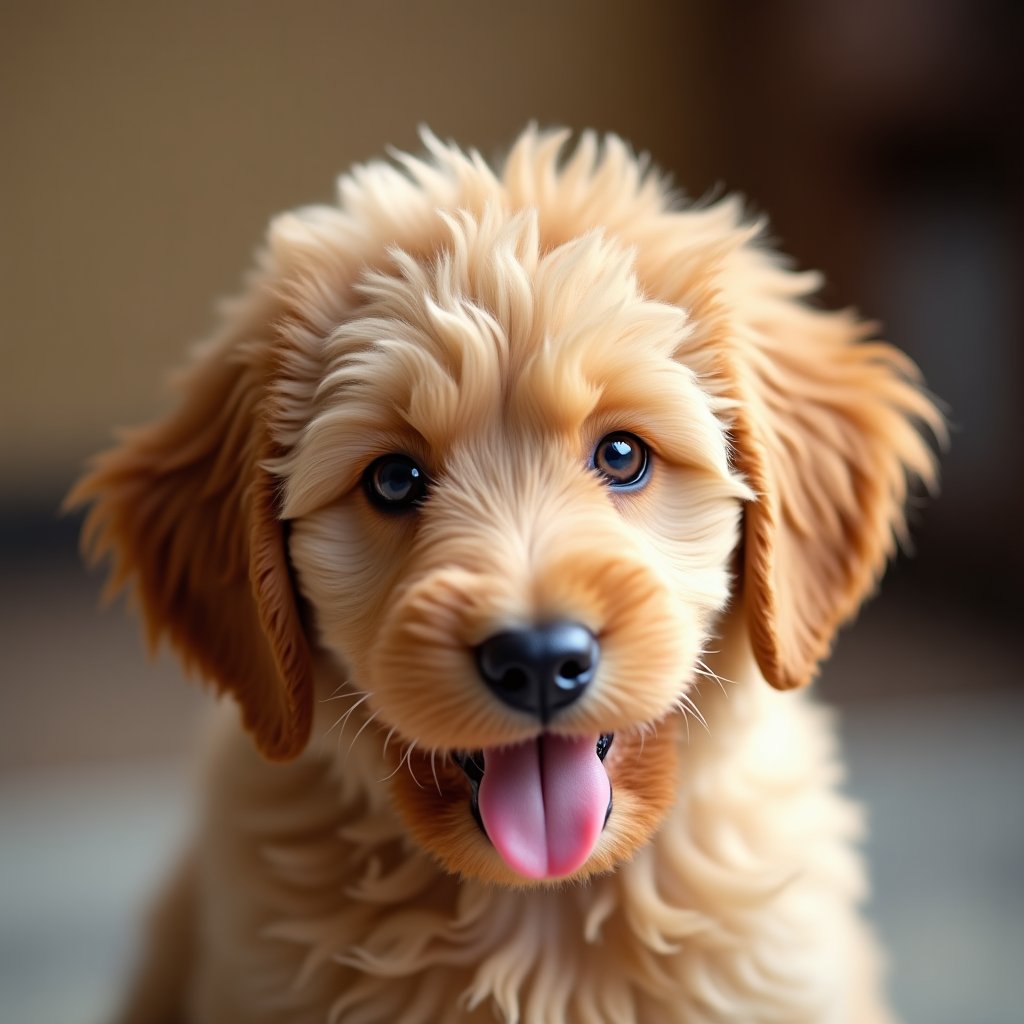
 Labradoodle House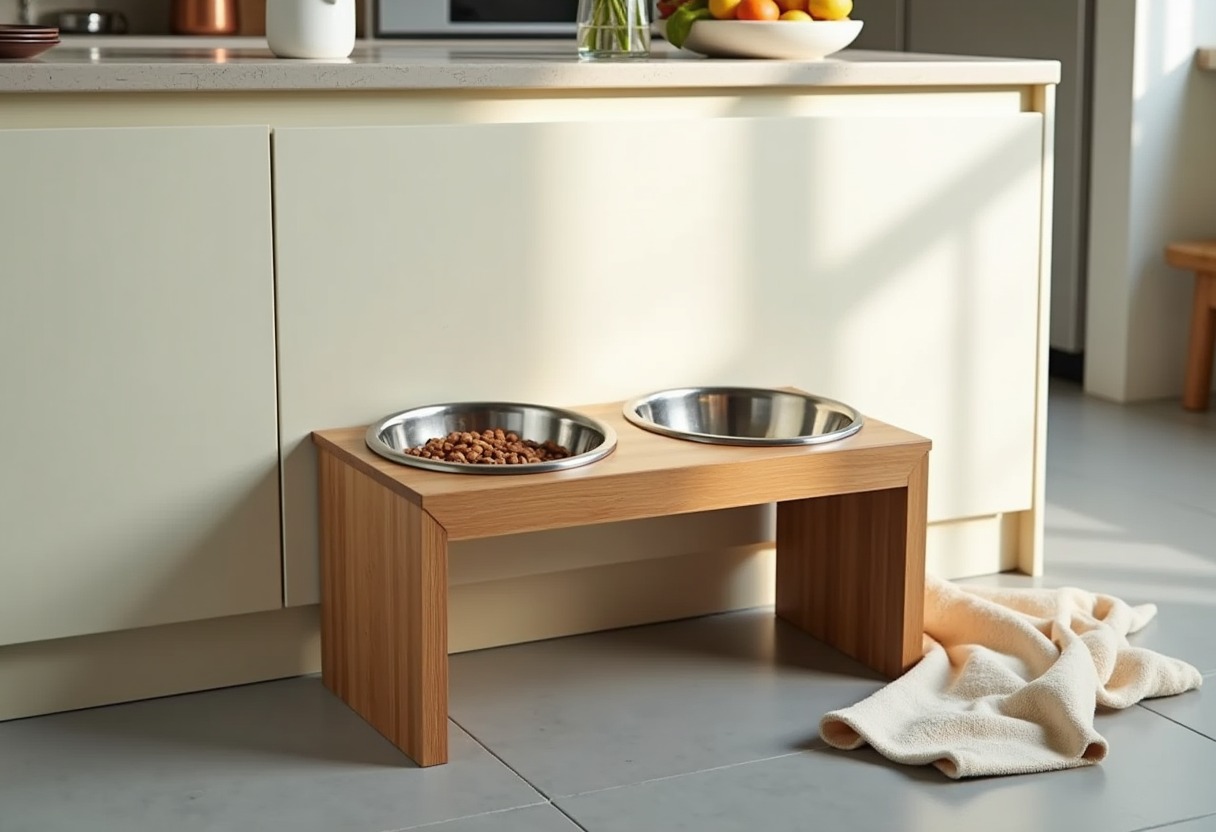
Your labradoodle's beard gets soaked every time they drink, their ears drag through food during meals, and they inhale their dinner in under thirty seconds. Standard dog bowls weren't designed for doodles with facial furnishings, floppy ears, or the food-vacuum eating style that comes with their Labrador genes.
The right bowl setup solves all three problems: narrow-diameter designs keep beards dry, elevated stands prevent ear-dipping, and slow-feed inserts force your doodle to actually chew their Best Labradoodle Food Guide. After watching countless labradoodles eat (and cleaning up just as many wet beards), I've tested what actually works for our curly-coated friends.
Why Labradoodles Need Specialized Bowls
Labradoodles inherit facial furnishings from their poodle lineage — the fluffy beard and mustache that frames their face. These adorable features turn into soggy, stained messes with standard wide-mouth bowls. Water clings to the curly hair, creating the perfect environment for yeast growth and that distinctive "wet dog" smell around the muzzle.
The breed's floppy ears compound the problem. According to the American Kennel Club, dogs with drop ears are more prone to ear infections because their ear canals trap moisture and debris. When those ears drag through food and water during meals, you're setting up an infection risk with every feeding.
Then there's the eating speed issue. Labradoodles combine the Lab's food motivation with the poodle's intelligence — they're smart enough to know they love food and eager enough to inhale it. Fast eating increases bloat risk, especially in medium-to-large breeds. A study published in the Journal of the American Veterinary Medical Association found that eating speed correlates with gastric dilatation-volvulus (bloat) risk in large-breed dogs.
Best Bowl Materials for Labradoodles
Material matters more than most first-time doodle owners realize. Your choice affects beard cleanliness, bacteria buildup, and how long the bowl survives your dog's enthusiasm.
Stainless steel wins for most labradoodles. It doesn't harbor bacteria in scratches like plastic, goes in the dishwasher without warping, and won't break when knocked off the feeding stand. The smooth surface releases less food residue, keeping beards cleaner between baths. Look for 18/8 food-grade stainless — the numbers indicate chromium and nickel content that resists rust and corrosion. → Shop stainless steel dog bowls on Amazon
Ceramic offers weight advantage — heavy enough that enthusiastic eaters can't push it across the floor. The glazed surface cleans easily and doesn't hold odors. The downside: ceramic chips and breaks, and hairline cracks can harbor bacteria invisible to the eye. If you choose ceramic, inspect it monthly for damage.
Silicone works for travel and slow-feed inserts but shouldn't be your daily bowl. It stains easily (especially with wet food), and determined chewers can damage the material. Some doodles also develop contact allergies to certain silicone formulations.
Skip plastic entirely. It scratches easily, those scratches become bacteria hotels, and many plastics contain compounds that can trigger chin acne in dogs with facial hair. Not worth the $3 savings.
Elevated vs. Floor Bowls: What Works for Doodles
| Bowl Height | Best For | Beard Protection | Ear Protection | Digestive Benefit | |-------------|----------|------------------|----------------|-------------------| | Floor level | Puppies under 6 months, small labradoodles (under 30 lbs) | Poor — beard drags in water | Poor — ears contact food | Minimal | | 4-8 inches | Medium labradoodles (30-50 lbs) | Good — reduces beard dipping | Excellent — ears stay clear | Moderate — less air swallowing | | 8-12 inches | Standard labradoodles (50-65 lbs) | Excellent — natural drinking angle | Excellent — ears hang beside bowl | Good — better swallowing mechanics | | Adjustable | Growing puppies, multiple dogs | Variable by setting | Variable by setting | Depends on proper height adjustment |
The ideal bowl height positions the rim at your labradoodle's lower chest level — roughly where the front legs meet the body. This creates a natural 15-20 degree neck angle that reduces strain on cervical vertebrae and keeps facial hair above the water line.
Elevated feeding also keeps those poodle-inherited ears out of dinner. When your doodle's head tilts down to floor level, ears swing forward into the bowl. Raise the bowl, and gravity keeps ears hanging beside the feeding area instead of through it. This single change can cut ear infections significantly in doodles prone to them.
The bloat concern with elevated bowls has been debated extensively. The original correlation was found in deep-chested breeds eating rapidly from raised bowls. Most labradoodles don't have the extreme chest depth of Great Danes or Dobermans. For medium-to-large doodles, the postural benefits of elevated feeding outweigh the theoretical bloat risk — especially when combined with slow-feed designs that control eating speed. → Shop elevated dog bowls on Amazon
Slow-Feed Bowls That Actually Slow Down Doodles
Not all maze patterns work equally well. Labradoodles need designs with ridge heights that challenge them without causing frustration. Too shallow, and they plow through anyway. Too complex, and food gets trapped in corners their tongue can't reach.
Spiral patterns work best for most doodles. The continuous curve forces them to follow the channel instead of scooping mouthfuls. Look for spirals with 1-1.5 inch ridge heights — enough to slow them down, not enough to make feeding stressful.
Maze designs suit problem-solver doodles who figure out spirals too quickly. Multiple dead-ends and direction changes keep their brain engaged. The poodle intelligence means they'll eventually optimize their path, but it takes longer than simple patterns.
Flower or petal patterns create sections that portion the meal naturally. Each "petal" holds a smaller amount, forcing multiple approaches to finish eating. This works particularly well for kibble but can frustrate dogs eating wet food.
Combine slow-feed inserts with regular bowls by placing the insert inside your existing stainless steel bowl. This gives you flexibility — use the insert for main meals when speed control matters, remove it for water or if your doodle seems stressed. Some slow-feed inserts are silicone and dishwasher-safe, making cleanup simple. → Shop slow feed dog bowls on Amazon
For serious food vacuums, check out Labradoodle Food Puzzles Slow Feeders for next-level feeding enrichment that turns meals into mental workouts.
Beard-Friendly Bowl Features
Narrow diameter makes the biggest difference. Standard 8-inch bowls are too wide — your doodle's entire muzzle submerges when they drink. A 5-6 inch diameter keeps the water surface away from facial furnishings while providing enough capacity.
Float-restricted designs limit water surface movement, reducing splashing and beard saturation. Some bowls include floating disks with center holes — water comes through the opening but can't slosh around. These cut beard wetness by roughly 60% compared to open bowls.
Tapered or inward-sloping walls keep the top opening narrower than the base. This design maintains capacity while preventing beard contact. Your doodle's muzzle stays above the rim even when the bowl is full.
Removable splash guards clip onto existing bowls, creating a physical barrier between water and facial hair. These work but add cleaning complexity — water gets trapped between the guard and bowl, creating mildew if not dried thoroughly.
Pair beard-friendly water bowls with proper grooming practices from our Complete Labradoodle Grooming Guide. Even the best bowl design can't compensate for a matted, too-long beard that touches the ground.
For serious beard protection, many doodle owners switch to water fountains with narrow drinking streams. We cover those specifically in Best Labradoodle Water Fountains Beard Friendly.
Top Bowl Setups for Different Labradoodle Sizes
Miniature Labradoodles (15-30 lbs): A 4-6 inch elevated stand with 2-cup capacity stainless bowls works perfectly. Look for stands with non-slip rubber feet — mini doodles are often more energetic and knock things over easily. The Neater Feeder Express design includes a reservoir that catches spills, keeping feeding areas cleaner.
Medium Labradoodles (30-50 lbs): An 8-inch elevation with 4-cup bowls hits the sweet spot. This is the most common doodle size, and you'll find the most bowl options in this range. Consider adjustable-height stands if you have a doodle under 18 months — they're still growing. → Shop ceramic dog bowls on Amazon
Standard Labradoodles (50-65 lbs): Look for 10-12 inch elevation with 6-8 cup capacity. At this size, stability becomes crucial — wider stance stands prevent tipping during enthusiastic eating. Some standard doodles do better with two smaller meals in 4-cup bowls rather than one large serving in an 8-cup bowl.
Multi-dog households: Elevated feeders with separate compartments keep each doodle in their lane. The physical divider prevents food guarding and beard contamination from bowl-sharing. If you're setting up gear for a new puppy, check Labradoodle Puppy Supplies for complete first-year feeding recommendations.
What Most Guides Miss: Bowl Placement and Feeding Station Setup
Bowl location affects eating behavior as much as bowl design. Place feeding stations away from high-traffic areas — doodles eating in busy kitchens often rush through meals to avoid being stepped on or bothered. A quiet corner reduces anxiety-driven speed eating.
Surface texture matters: Tile and hardwood are slippery. Elevated stands slide during meals unless they have proper grip. Place a rubber mat or silicone placemat under the entire feeding station. This also catches spills before they spread and protects floors from water damage. The mat should extend 3-4 inches beyond the bowl perimeter on all sides.
Water-to-food distance: Keep water bowls at least 18 inches away from food bowls. This prevents food debris from contaminating drinking water and reduces the "eat-drink-eat-drink" pattern that leads to faster eating and more air swallowing. Some doodles benefit from water fountains placed in entirely different rooms.
Bowl height consistency: If you use elevated bowls, maintain the same height for both food and water. Constantly adjusting neck angle between eating and drinking creates unnecessary strain. The ergonomic benefits of elevation only work when applied to both bowls.
Clean bowls after every meal — not just when they look dirty. Bacteria builds up in the microscopic gaps between food particles even in stainless steel. A quick hot water rinse and wipe takes 15 seconds and prevents the lip-fold infections common in breeds with facial furnishings.
For doodles who constantly tip bowls or push them around, weighted no-tip designs solve the problem permanently. → Shop non-tip dog bowls on Amazon
FAQ
Should labradoodles use elevated bowls or floor bowls? Elevated bowls work better for adult labradoodles over 30 pounds. They keep beards out of water and prevent ears from dragging through food. Position the bowl rim at your doodle's lower chest level for optimal neck angle and digestion.
How do I keep my labradoodle's beard dry while drinking? Use narrow-diameter bowls (5-6 inches wide) instead of standard 8-inch bowls. Float-restricted designs or bowls with inward-sloping walls prevent the muzzle from submerging. Water fountains with narrow streams work even better for serious beard protection.
Do slow-feed bowls actually work for labradoodles? Yes, when properly sized. Spiral or maze patterns with 1-1.5 inch ridge heights extend meal time by 3-5x for most doodles. This reduces bloat risk and adds mental enrichment, but choose designs without tiny corners that trap food your dog can't reach.
What bowl size do I need for a 45-pound labradoodle? A 4-6 cup capacity bowl works for most medium labradoodles around 45 pounds. This holds 2-3 cups of food with room for comfortable eating. Pair it with an 8-inch elevated stand for proper neck positioning during meals.
Can I use the same bowls for water and food? Technically yes, but dedicated bowls work better. Food bowls need slow-feed features; water bowls need narrow diameters for beard protection. Having separate bowls also prevents cross-contamination and lets you place water away from the feeding area to slow down eating pace.
The Bowl Setup That Actually Works
Your labradoodle's feeding station should solve three specific problems: eating speed, beard wetness, and ear hygiene. Every other consideration is secondary to those goals. Start with elevated stainless steel bowls positioned at lower chest height, add slow-feed inserts for meals, and use narrow-diameter designs for water — this combination addresses all three issues without overcomplicating your setup.
Some links on this page are affiliate links. We may earn a small commission if you purchase through them, at no extra cost to you.
As an Amazon Associate we earn from qualifying purchases. This article contains affiliate links; if you buy through them we may earn a small commission at no additional cost to you.