 Labradoodle House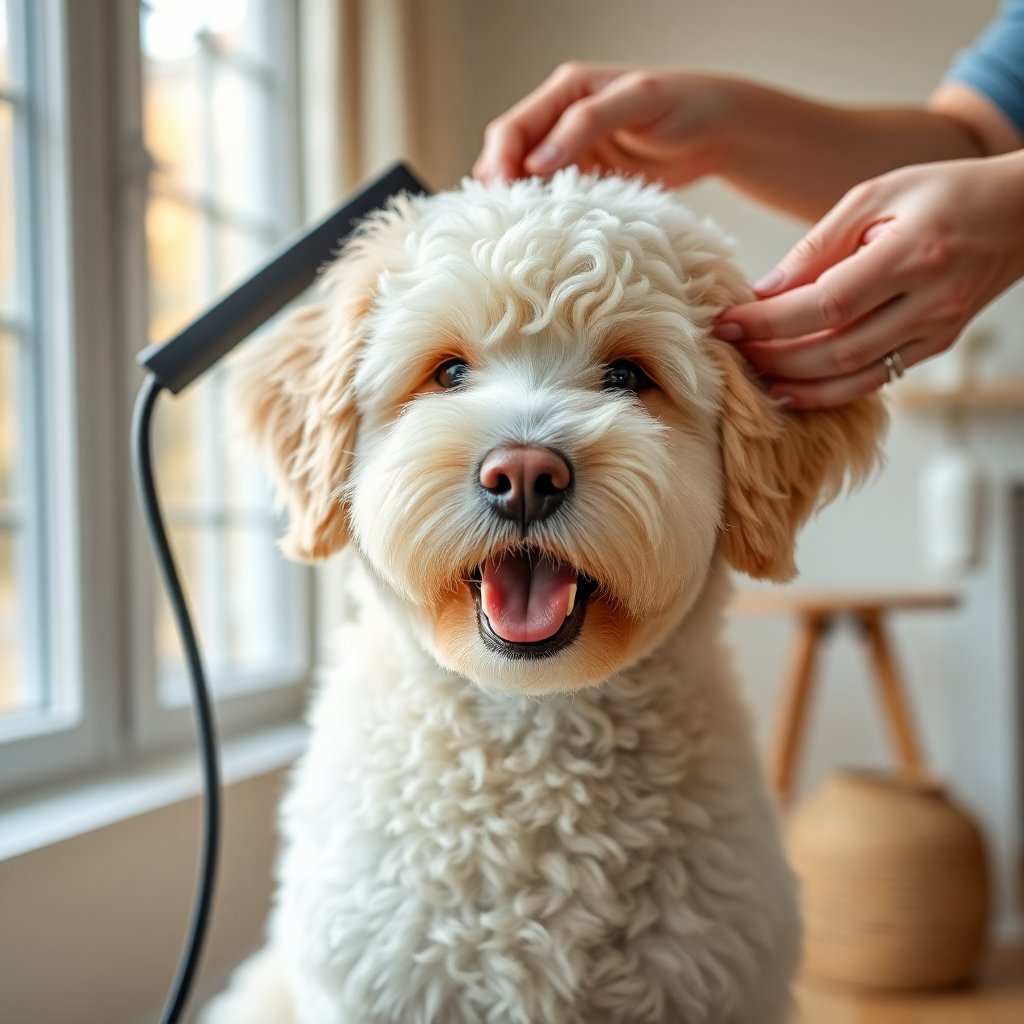
That head shake, the one-sided scratching, the faintly sour smell when your doodle flops onto your lap—those are rarely random. They are usually the opening notes of an ear infection, and if you own a Labradoodle you will likely hear that tune more than once. Doodle ears combine three risk factors that stack on top of each other: floppy flaps that seal off airflow, hair growing down inside the canal, and moisture that gets trapped and cannot evaporate. Together they build a warm, dark, humid pocket where yeast and bacteria are happy to move in.
The good news is that ear infections are largely a plumbing problem, and plumbing problems respond to routine maintenance. A short cleaning habit, the right products, and a little seasonal awareness—especially heading into the damp weeks of fall 2026, when allergy flare-ups tend to spike—will keep most doodle ears out of the vet's office. Here is how to build that routine and how to read the warning signs when prevention slips.
Why Labradoodle Ears Are Built for Trouble
Ear infections, known clinically as otitis externa, are one of the most common reasons dogs visit the vet. According to the American Kennel Club, the canine ear canal is shaped like an L, which naturally holds fluid and debris more than a human's straighter canal does. For a Labradoodle, that basic anatomy gets three extra strikes against it.
- Floppy pendulous ears. The ear leather lies flat against the head and covers the canal opening like a lid, cutting off the airflow that would otherwise keep the canal dry.
- Hair inside the canal. Both Poodles and many Labradors pass down hair that grows down into the ear canal itself, and that hair traps wax and moisture where you cannot easily reach it.
- A love of water. Doodles that swim, get bathed often, or romp in wet grass carry water straight into the canal, and it sits there under that floppy flap.
Layer on the fact that many Labradoodles have environmental or food allergies—the single biggest underlying driver of chronic ear infections—and you can see why these dogs earn their reputation. Inflamed, itchy skin inside the ear changes the environment and invites infection. If your doodle is an itchy dog in general, the ears are often the first place trouble shows up. Our guide to managing fall seasonal allergies and itchy skin pairs closely with ear care, because calming the allergy usually calms the ears.
The Cleaning Routine That Prevents Most Infections
Routine cleaning is the single most effective thing you can do at home. It flushes out the wax and debris that feed yeast and bacteria before an infection can take hold. Most doodles do well with a cleaning every one to two weeks, and more often if they swim hard or have a history of ear problems. Do not overdo it, though—cleaning healthy ears daily can strip protective wax and cause its own irritation.
Use a real dog ear cleaner, not water or peroxide. A good veterinary-style cleaning solution is formulated to break down wax and, crucially, to dry quickly so moisture does not linger in the canal. Skip hydrogen peroxide and rubbing alcohol, which sting inflamed tissue and can make things worse.
→ Shop dog ear cleaning solution on Amazon
The technique is simple once you have done it once. Fill the canal with cleaner, then gently massage the base of the ear for about twenty to thirty seconds—you should hear a soft squishing sound as the solution loosens debris. Let your dog shake its head; that shaking is doing useful work, bringing gunk up out of the canal. Then use a cotton ball or soft pad to wipe away everything you can see. The one hard rule: only clean as far as you can see. Never push a cotton swab down into the canal, where you can pack debris deeper or damage the eardrum.
→ Shop dog ear wipes and cotton pads on Amazon
Dry the ears when the job is wet. Because trapped moisture is the whole problem, drying matters as much as cleaning. After a bath or a swim, dry the ear flap and gently blot the opening. A veterinary drying powder or a solution with a drying agent helps wick away what a towel cannot reach. The same principle applies to the coat around the ears—a damp beard and neck keep the whole region humid. Our post-bath drying tools and techniques roundup covers the dryers and towels that get a doodle properly dry, ears included.
→ Shop dog ear drying powder on Amazon
The Ear-Hair Plucking Debate, Settled Sensibly
Ask three groomers whether to pluck the hair out of a doodle's ear canal and you may get three answers. For years, routine plucking was standard practice. More recent veterinary thinking is more cautious, and it is worth understanding why before you yank anything.
The case against aggressive plucking: pulling hair out of the follicle can inflame the follicles and create tiny micro-tears in the canal lining. In a dog with otherwise healthy ears, that trauma can actually trigger the irritation and infection you were trying to prevent.
The case for it: a doodle with heavy hair growth deep in the canal and a documented history of infections may genuinely benefit from having that hair cleared so air can circulate.
The sensible middle ground that most professionals now land on is this: favor trimming and thinning over deep plucking. Keeping the canal hair trimmed and thinned lets air flow without the trauma of pulling it out by the root. If your doodle's ears are healthy and dry, you may not need to touch the hair at all. If they are chronically hairy, waxy, and infection-prone, talk to your vet or groomer about targeted plucking rather than making it a blanket habit. A good groomer checks the ears every visit and advises based on what they actually see. A pair of blunt-tipped thinning scissors handles routine trimming of the hair around the opening at home.
→ Shop rounded-tip pet grooming scissors on Amazon
For the bigger picture on keeping a doodle's coat and furnishings tidy—including the fur around the ears and beard that traps so much moisture—our complete Labradoodle grooming guide walks through the full routine.
Reading the Warning Signs
Catching an infection early makes it far easier and cheaper to treat. Check your doodle's ears every week or two—lift the flap, look inside, and take a sniff. Healthy ears look pale pink and smell like almost nothing. Head to the vet if you notice any of these:
- Head shaking or tilting to one side, or repeated scratching at one ear
- A yeasty, sour, or genuinely foul odor coming from the canal
- Redness or swelling of the canal or the inside of the ear flap
- Discharge—brown, yellow, or black waxy buildup, or anything that looks like pus
- Sensitivity or pain when you touch the ear, or yelping when you rub near it
- Rubbing the ear along the floor or furniture
Do not try to diagnose the type of infection yourself. Yeast, bacteria, and ear mites all look and smell different to a vet and require different medications, and a wrong guess wastes time while your dog stays miserable. As the VCA Animal Hospitals guidance explains, otitis externa needs the canal examined and often a swab looked at under a microscope to treat correctly. This article is general information and not a substitute for veterinary care—it is not medical advice, so talk to your veterinarian about your individual dog.
When It Keeps Coming Back
Some doodles get one ear infection in their lives; others seem to get one every season. Chronic, recurring infections are almost always a symptom of something deeper, and the usual culprit is allergies—environmental, food, or both. If you are cleaning faithfully and the infections keep returning, the fix is rarely more ear cleaner. It is working with your vet to find and manage the underlying allergy, which might mean a diet trial, allergy testing, or medication that calms the immune overreaction.
Untreated or repeatedly untreated infections are not a minor nuisance. Over time they can thicken and narrow the canal permanently, cause chronic pain, and in severe cases lead to surgery. That is the expensive, avoidable outcome that a fifteen-cent cotton ball and a weekly habit are designed to head off.
Budget for the occasional vet visit as a normal part of doodle ownership, keep a good cleaner and drying powder in the cabinet, and treat ear care as a permanent fixture of your grooming routine rather than a reaction to a problem. Build the habit now, watch for the early signs, and loop in your vet the moment something looks off, and your floppy-eared doodle will spend far more time enjoying head scratches than dreading them.
Affiliate disclosure: This post contains Amazon affiliate links, and we may earn a small commission if you buy through them at no extra cost to you. It does not influence our recommendations.
As an Amazon Associate we earn from qualifying purchases. This article contains affiliate links; if you buy through them we may earn a small commission at no additional cost to you.