 Labradoodle House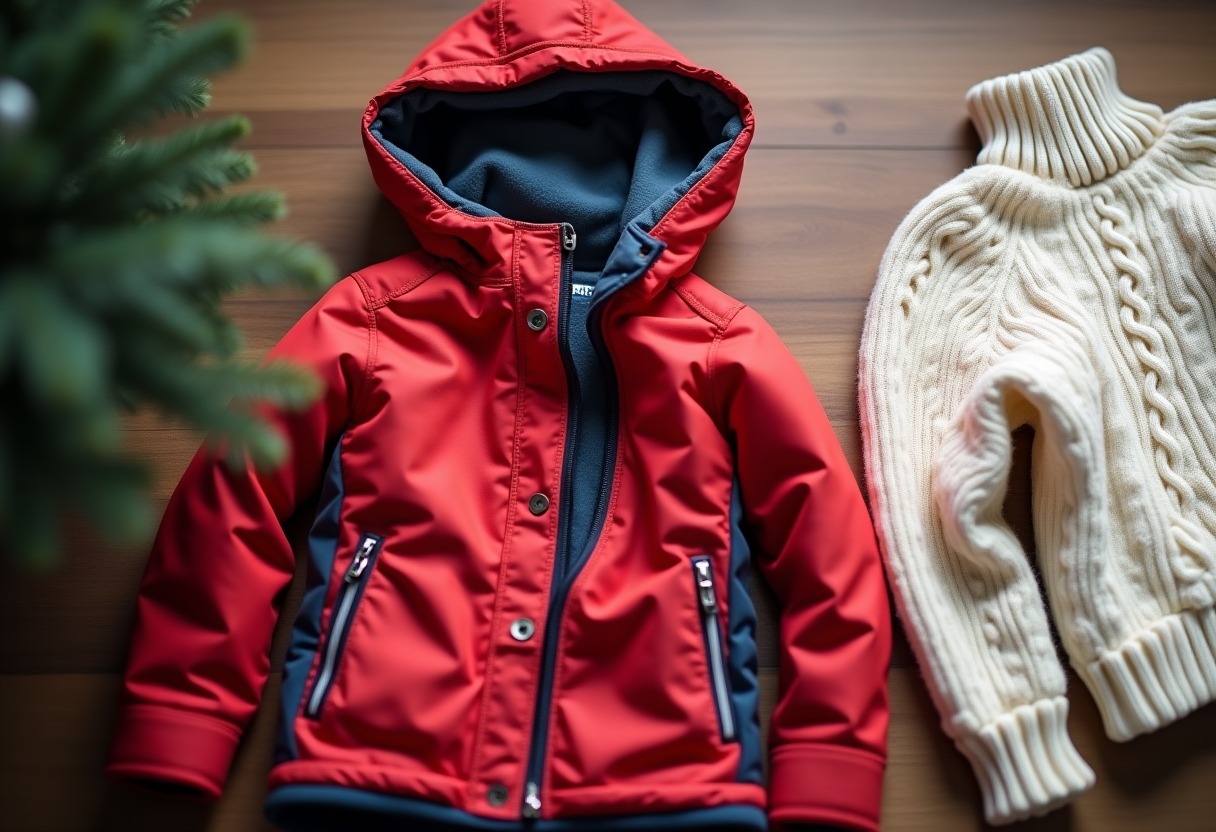
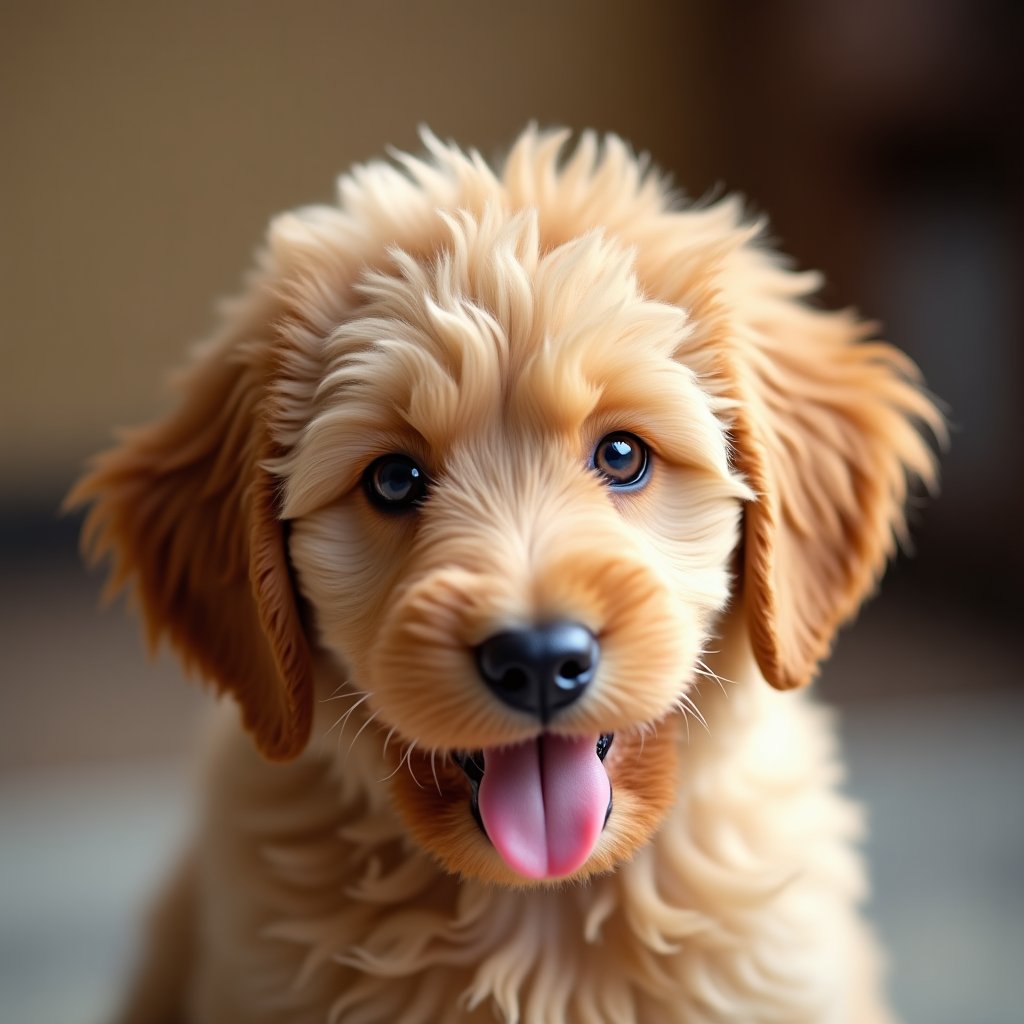
That gorgeous labradoodle coat that makes everyone stop and stare becomes a nightmare when winter gear creates mats faster than you can brush them out. The wrong jacket turns your doodle's curls into felted disaster zones that require professional intervention — or worse, a complete shave-down.
Why Traditional Dog Coats Destroy Labradoodle Coats
Labradoodle coats differ fundamentally from straight-haired breeds in ways that make most winter gear problematic. The American Kennel Club explains that poodle-type coats consist of dense, curly hair that tangles easily when compressed or rubbed. Standard dog jackets create three specific problems: friction matting where seams rub against the coat, compression matting from tight fits, and moisture retention that turns loose hair into solid mats.
Most winter coats use materials like nylon or polyester that create static electricity, making curly hair cling together. The zippers and velcro closures catch individual curls, pulling and breaking the hair shaft. Even worse, many coats trap condensation from your dog's body heat, creating the perfect environment for mat formation.
Professional groomers report that 70% of winter coat damage occurs at pressure points: under the arms, around the neck, and across the chest where coats fit snugly. These areas require complete shaving in severe cases, destroying months of coat growth.
Fabric Selection That Protects Curly Coats
The fabric touching your labradoodle's coat matters more than warmth rating or waterproofing. Smooth, slippery linings prevent friction while allowing air circulation. Silk and satin linings work best, but high-quality polyester taffeta provides similar slip properties at a lower cost.
Outer shells should repel moisture without trapping it inside. Three-layer waterproof breathable fabrics excel here — they keep snow and rain out while allowing water vapor from your dog's body to escape. Avoid anything with a fuzzy or textured interior that will grab onto curls.
Weight distribution across the coat prevents pressure points that cause matting. Look for designs that spread closure tension across multiple contact points rather than concentrating it in one area. Magnetic closures work better than velcro, which catches and pulls curly hair.
→ Shop waterproof dog jackets on Amazon
Size and Fit Requirements for Doodle Coats
Standard dog sizing fails labradoodles because their coat adds 1-2 inches to their actual body measurements. Measure your doodle at their longest coat length, not their skin, to avoid compression that creates mats. The coat should slide on without pushing down their curls or requiring force at any point.
Neck openings need extra consideration. A properly fitted winter coat should slip over your doodle's head without catching their ear feathers or face furnishings. If you need to compress their coat to get it on, the neck opening is too small.
Chest and belly coverage should extend from the base of the neck to just past the front legs, with enough room for natural movement. The coat should never pull tight when your dog sits, plays, or stretches. Armpit areas require the most careful attention — any tightness here guarantees matting.
Winter Coat Comparison for Labradoodles
| Feature | Fleece-Lined Shells | Down Jackets | Wool Sweaters | Softshell Coats | |---------|-------------------|-------------|---------------|-----------------| | Mat Risk | Low (smooth lining) | High (compression) | Medium (fabric texture) | Low (breathable) | | Warmth Rating | Good (-10°F) | Excellent (-20°F) | Good (20°F) | Fair (30°F) | | Moisture Protection | Excellent | Poor | Fair | Good | | Ease of Cleaning | Excellent | Poor | Fair | Good | | Durability | Good | Fair | Excellent | Excellent | | Cost Range | $30-80 | $60-150 | $40-100 | $50-120 |
Recommended Winter Gear Types for Labradoodles
Fleece-lined waterproof shells provide the best balance of warmth, protection, and coat safety for most labradoodles. The smooth fleece lining slides over curls without grabbing, while the waterproof exterior handles snow and rain. Look for designs with full-coverage bellies and adjustable chest straps that distribute pressure evenly.
→ Shop fleece dog clothing on Amazon
Softshell jackets excel for active doodles who generate their own heat through movement. These stretchy, breathable fabrics move with your dog without creating pressure points. The water-resistant finish repels light precipitation while allowing moisture vapor to escape. Choose designs with minimal seaming through the body area.
High-quality wool sweaters work well for shorter-coated labradoodles or those with loose curl patterns. The natural fibers breathe better than synthetic alternatives and provide excellent insulation. Avoid tight weaves that can catch curls — look for smooth knits with finished interior seams.
Booties and paw protection deserve special attention for winter walks. Ice, salt, and cold surfaces can damage paw pads, but most dog boots create problems between the toes where hair mats easily. Choose designs with smooth interiors and avoid anything with interior seams or rough textures.
→ Shop dog snow boots on Amazon
Neck gaiters and snoods protect the vulnerable neck area without interfering with your dog's coat elsewhere. These simple tubes of fleece or merino wool slip on easily and provide crucial warmth for the major blood vessels in the neck. Choose stretchy fabrics that won't compress ear feathers or facial hair.
Advanced Coat Protection Strategies
Pre-winter coat preparation prevents most cold-weather matting issues. Schedule a professional grooming session focused on thinning dense areas where coats will fit tightly. Your groomer should remove excess undercoat bulk while maintaining length and curl definition. This creates space for winter gear without compression.
Anti-static sprays formulated for dog coats reduce friction between clothing and curly hair. Apply these products before putting on winter gear, focusing on areas where the coat will make contact. Avoid human hair products, which can irritate skin or alter coat texture.
Layer monitoring becomes crucial during winter months. Check your labradoodle's coat after every walk, paying attention to areas where their winter gear makes contact. Early mat detection allows for easy brushing removal rather than requiring professional intervention.
Post-walk coat care should include immediate brushing of any compressed areas. Use a slicker brush to lift flattened curls back to their natural position before they set in that compressed state. This five-minute routine prevents most winter matting problems.
Consider the Complete Labradoodle Grooming Guide for detailed brushing techniques that work with winter coat care. Proper daily maintenance becomes even more critical when your doodle wears winter clothing regularly.
FAQ
How do I know if a winter coat is too tight on my labradoodle? You should be able to slide two fingers comfortably under the coat at any point around your dog's chest and neck. If you see compressed or flattened curls when you remove the coat, it's too tight. The coat should never pull or stretch when your dog moves naturally. Watch for any areas where the hair looks pushed down or matted after wearing — these indicate pressure points that need addressing through better sizing or different coat design.
Can I put a winter coat over my labradoodle's regular harness? Most winter coats work better when worn directly against the dog's coat, with the harness going over the jacket. This prevents the harness from compressing the coat underneath and creating mat-prone pressure points. Choose a Best Dog Harnesses Labradoodles 2026 that adjusts easily over winter clothing. Some winter coats include built-in harness attachment points, which eliminate layering issues entirely.
What temperature requires winter protection for labradoodles? Labradoodles with full, dense coats typically handle temperatures down to 20-25°F comfortably without additional clothing. Below 20°F, or in wet conditions above freezing, winter protection becomes beneficial for most dogs. Puppies under six months, seniors over eight years, or dogs with thin or recently groomed coats need protection at higher temperatures — around 35-40°F. Wind chill significantly affects these thresholds, sometimes requiring protection at temperatures 10-15 degrees warmer than the actual air temperature.
How often should I wash my labradoodle's winter coat during the season? Wash winter coats every 2-3 weeks during active use, or immediately after exposure to salt, de-icing chemicals, or heavy mud. Clean coats maintain their water resistance and breathability better than dirty ones. Use pet-safe detergents and avoid fabric softeners, which can reduce water repellency and create residue that attracts dirt. Always ensure the coat is completely dry before storage to prevent mildew and odor development.
Should I remove my labradoodle's winter coat immediately when coming inside? Remove winter coats within 10-15 minutes of coming indoors to prevent overheating and excess moisture buildup against their natural coat. The transition from cold outdoor air to warm indoor temperatures can cause condensation inside the coat, creating ideal matting conditions. Check for any flattened areas and brush them out immediately while the hair is still damp and pliable. Allow your dog's natural coat to air dry completely before putting winter gear back on.
Proper winter gear keeps your labradoodle comfortable without destroying the coat you've worked so hard to maintain — choose wisely, fit carefully, and your doodle's curls will emerge from winter as gorgeous as they went in.
Some links on this page are affiliate links. We may earn a small commission if you purchase through them, at no extra cost to you.
As an Amazon Associate we earn from qualifying purchases. This article contains affiliate links; if you buy through them we may earn a small commission at no additional cost to you.