 Labradoodle House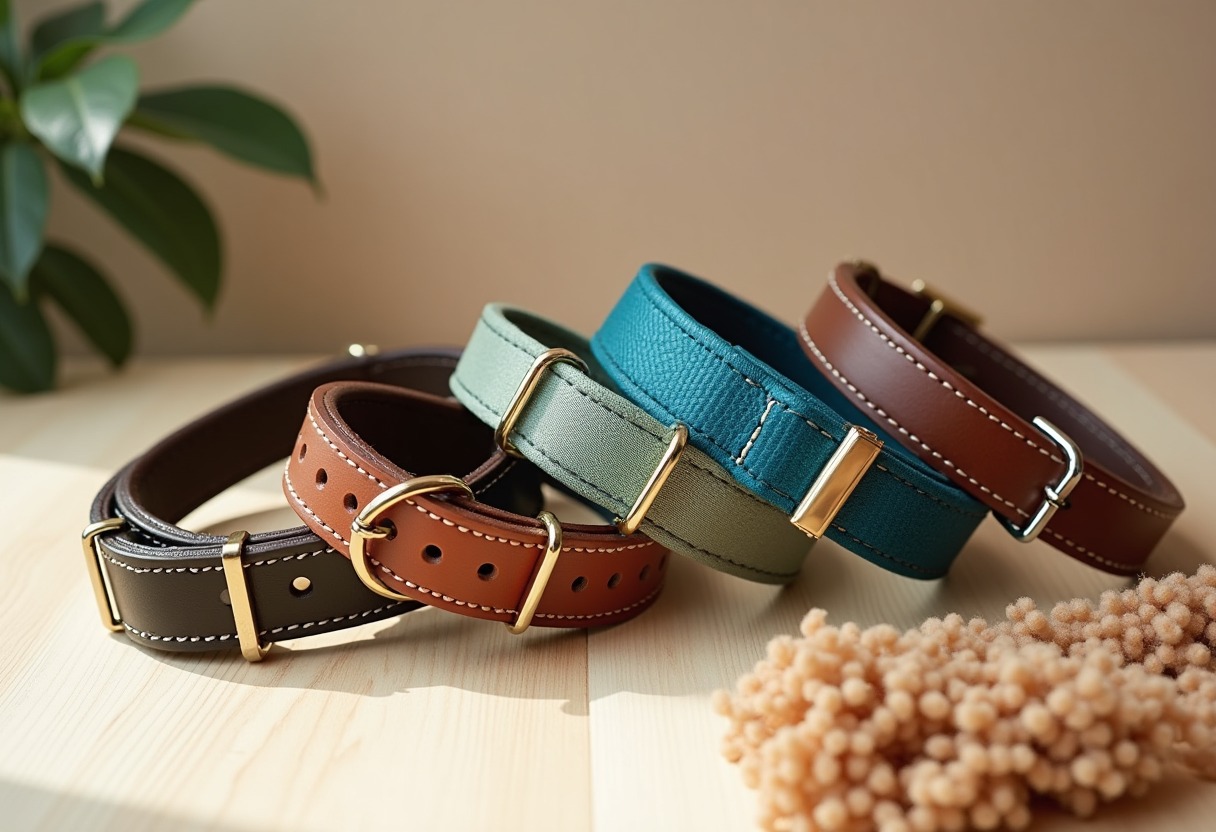
Your labradoodle's collar choice affects more than just identification — the wrong collar can create matting hotspots around their neck, cause skin irritation under that dense coat, and even pose safety risks during play. Finding the right balance between security, comfort, and coat protection requires understanding how labradoodle fur behaves and what collar features actually matter for curly-coated dogs.
Why Labradoodle Collars Need Special Consideration
Labradoodle coats present unique collar challenges that straight-haired breeds don't face. Their dense, curly to wavy fur can trap moisture and debris around collar areas, creating perfect conditions for matting and skin issues. The American Kennel Club notes that collar-related skin irritation is particularly common in dogs with thick, textured coats.
Standard dog collars often use materials and widths designed for shorter-haired breeds. Labradoodles need collars that distribute pressure evenly, allow air circulation, and use materials that don't snag or pull at their coat structure. The neck area is already prone to matting in doodles due to natural friction from movement and the tendency for debris to collect in these longer coat sections.
Size considerations differ significantly between labradoodle generations and growth stages. F1 labradoodles (first-generation crosses) typically range from 15-24 inches in neck circumference when fully grown, while miniature varieties may need 10-16 inch collars. Standard labradoodles can require 18-26 inch collars, making proper sizing critical for both safety and comfort.
Essential Collar Features for Labradoodle Coat Health
Collar width directly impacts coat preservation and comfort levels. Narrow collars (under 1 inch) concentrate pressure into small areas, increasing matting risk and potential discomfort for dogs with substantial neck fur. Wide collars (1.5-2 inches) distribute weight more evenly but can overwhelm smaller doodles or create bulky appearances that interfere with natural movement.
Material selection determines both durability and coat compatibility. Leather collars require regular conditioning to prevent cracking and can absorb odors from wet coats, but high-quality leather develops a smooth patina that reduces coat friction over time. Nylon collars offer easy cleaning and quick-dry properties essential for water-loving labradoodles, though rough nylon can snag curly coat strands.
Padding becomes non-negotiable for labradoodles prone to collar rubs or those wearing collars for extended periods. → Shop padded dog collars on Amazon that use neoprene or fleece padding provide cushioning while maintaining breathability. The padding material should wick moisture away from the coat rather than trapping it against the skin.
Hardware quality affects both safety and coat health. Heavy metal buckles can pull at coat strands during movement, while plastic hardware may crack under stress but weighs less and causes minimal coat disturbance. Quick-release buckles offer convenience but must maintain secure closure — particularly important for escape-artist labradoodles who test boundaries.
Collar Types and Their Labradoodle-Specific Pros and Cons
| Collar Type | Coat Impact | Comfort Level | Best For | Avoid If | |-------------|-------------|---------------|----------|----------| | Flat Buckle | Low matting risk with proper width | High with padding | Daily wear, training | Dog pulls constantly | | Martingale | Moderate — can compress coat | Medium, prevents escape | Training, gentle pullers | Thick-coated necks | | Breakaway Safety | Minimal — designed to release | High, lightweight design | Supervised outdoor time | Leash walking | | Rolled Leather | Excellent — smooth surface | High once broken in | Show dogs, sensitive skin | Heavy chewers |
Flat buckle collars work best for most labradoodles when sized and padded correctly. Their consistent width distributes pressure evenly, and quality versions allow for precise fit adjustments as coats grow thicker with seasonal changes. The key lies in choosing appropriate width — 1-1.5 inches for most standard labradoodles, 0.75-1 inch for miniatures.
Martingale collars can benefit labradoodles who slip traditional collars, but the tightening action can compress thick coat areas and create temporary matting if used frequently. These work well for training sessions but shouldn't remain on dogs during unsupervised time.
Breakaway safety collars serve specific purposes for labradoodles who spend time in fenced yards or around other dogs. The release mechanism prevents choking if the collar catches on objects, but the breakaway feature makes them unsuitable for leash walking. → Shop breakaway safety collars on Amazon designed with appropriate release weights for your doodle's size.
Rolled leather collars minimize coat contact by presenting a smooth, round surface rather than flat edges that can catch and pull fur. These require break-in periods but often become the most comfortable long-term option for labradoodles with sensitive skin or extensive coat matting histories.
Sizing Your Labradoodle's Collar Correctly
Proper collar measurement requires accounting for both current coat thickness and seasonal variations. Labradoodle coats can increase significantly in volume during winter months, potentially making a perfectly fitted summer collar too tight by December. Measure around the thickest part of your doodle's neck, typically 2-3 inches below the ears where the collar naturally sits.
The two-finger rule provides a baseline for fit — you should fit two fingers comfortably between the collar and your dog's neck. For thick-coated labradoodles, this might require slight adjustments based on coat density. During shedding seasons or after grooming appointments, collar tightness can change dramatically within days.
Growth rate considerations become critical for labradoodle puppies, who can outgrow collar sizes monthly between 3-8 months old. → Shop adjustable puppy collars on Amazon with wide adjustment ranges prevent constant collar replacements and ensure proper fit throughout rapid growth phases.
Account for coat compression when measuring — press the measuring tape firmly but not tightly against the coat to simulate how a collar will sit. Fluffy, air-dried coats compress significantly under collar pressure, while recently groomed coats provide more accurate measurements for collar sizing.
Top Collar Recommendations for Every Labradoodle Size
For Standard Labradoodles (50+ pounds): Heavy-duty flat collars with 1.5-2 inch widths provide optimal comfort and control. Look for reinforced stitching and quality hardware that withstands the pulling power of larger doodles. → Shop leather dog collars on Amazon in premium leather offer durability and develop smooth surfaces that protect coat integrity over time.
For Medium Labradoodles (30-50 pounds): Padded nylon collars with 1-1.5 inch widths balance comfort and functionality. These sizes benefit most from adjustable designs that accommodate coat thickness changes without requiring multiple collar purchases. Reflective stitching adds safety value for evening walks without adding bulk.
For Miniature Labradoodles (15-30 pounds): Lightweight collars with 0.75-1 inch widths prevent neck strain while providing adequate surface area for even pressure distribution. Avoid heavy hardware that outweighs the collar benefits. → Shop reflective dog collars on Amazon designed for smaller breeds often include proportionally appropriate hardware.
For Labradoodle Puppies (Under 6 months): Highly adjustable collars that expand 4-6 inches accommodate rapid growth spurts typical in doodle puppies. Soft materials prevent damage to delicate puppy coat and skin. Choose lightweight options that won't interfere with natural play behaviors or coat development.
For Senior Labradoodles: Extra padding becomes essential as older dogs develop sensitivity around pressure points. Wider collars distribute weight more effectively for dogs with arthritis or neck stiffness. Easy-open buckles help owners with limited hand mobility manage collar adjustments during coat care routines.
Advanced Collar Care for Coat Health
Regular collar maintenance directly impacts your labradoodle's coat health around the neck area. Remove collars daily during Best Slicker Brushes Labradoodle Coat Maintenance sessions to brush the often-neglected areas underneath. This prevents mat formation in high-friction zones and allows air circulation to prevent skin issues.
Collar rotation strategies can prevent permanent coat wear patterns. Using two collars alternately — one for daily wear, one for washing — ensures your doodle always has a clean, dry collar available. This approach particularly benefits labradoodles who swim frequently or live in humid climates where collar dampness creates bacterial growth conditions.
Seasonal adjustments require monitoring collar tightness as coat density changes. Many labradoodle owners need collar adjustments 3-4 times yearly, corresponding with major coat transitions. Winter coats can make collars 1-2 holes tighter, while summer shedding may require tightening for security.
Consider collar-free periods during intense grooming sessions or when addressing existing matting problems. Extended grooming work benefits from complete neck access, and removing collars during Complete Labradoodle Grooming Guide procedures prevents tools from catching on hardware.
FAQ
How tight should a labradoodle collar be with all that coat? The collar should fit snugly enough that you can slip two fingers underneath but not so loose that it can slip over the dog's head. With labradoodle coats, press the fur down when measuring to account for compression under the collar. Check the fit weekly during puppyhood and monthly for adults, as coat thickness changes seasonally. If you notice any matting or hair loss around the collar area, loosen it immediately and increase your daily brushing routine.
What collar width works best for preventing matting in labradoodle necks? For standard labradoodles, 1.5-2 inch wide collars distribute pressure most effectively and reduce matting risk compared to narrow bands. Miniature labradoodles do well with 0.75-1 inch widths. Wider collars spread contact across more coat area, preventing the concentrated rubbing that creates mats. Avoid collars narrower than 0.75 inches on any labradoodle size, as these create pressure points that damage the coat structure over time.
Should I use different collars for wet versus dry labradoodle coats? Yes, especially if your labradoodle swims frequently or lives in humid conditions. Nylon collars with quick-dry properties work better for water activities, while leather collars excel for daily dry wear once properly conditioned. Wet collars against damp coats create perfect conditions for bacterial growth and matting. Always dry both the collar and your doodle's neck area thoroughly after water exposure, and consider having backup collars for rotation during wet seasons.
How often should I replace my labradoodle's collar? Replace collars when hardware shows wear, stitching begins fraying, or the material develops rough edges that could snag coat strands. Quality collars typically last 1-2 years with regular cleaning and rotation. Puppy collars need replacement every 4-8 weeks during rapid growth phases. If you notice increased matting around the collar area despite proper care, the collar material may have degraded and should be replaced regardless of visible wear.
Can certain collar materials cause allergic reactions in labradoodle skin? Some labradoodles develop contact dermatitis from nickel in cheap metal hardware, dyes in colored collars, or preservatives in low-quality leather. Symptoms include redness, scratching, or hair loss around the collar line. Hypoallergenic options include undyed leather, stainless steel hardware, or collars specifically labeled as nickel-free. If skin reactions occur, remove the collar immediately and consult your veterinarian. Switching to different materials usually resolves the issue, but patch testing new collars on small skin areas can prevent widespread reactions.
The right collar protects your labradoodle's magnificent coat while keeping them safe and comfortable — choose wisely, and both you and your doodle will appreciate the difference every single day.
Some links on this page are affiliate links. We may earn a small commission if you purchase through them, at no extra cost to you.
As an Amazon Associate we earn from qualifying purchases. This article contains affiliate links; if you buy through them we may earn a small commission at no additional cost to you.