 Labradoodle House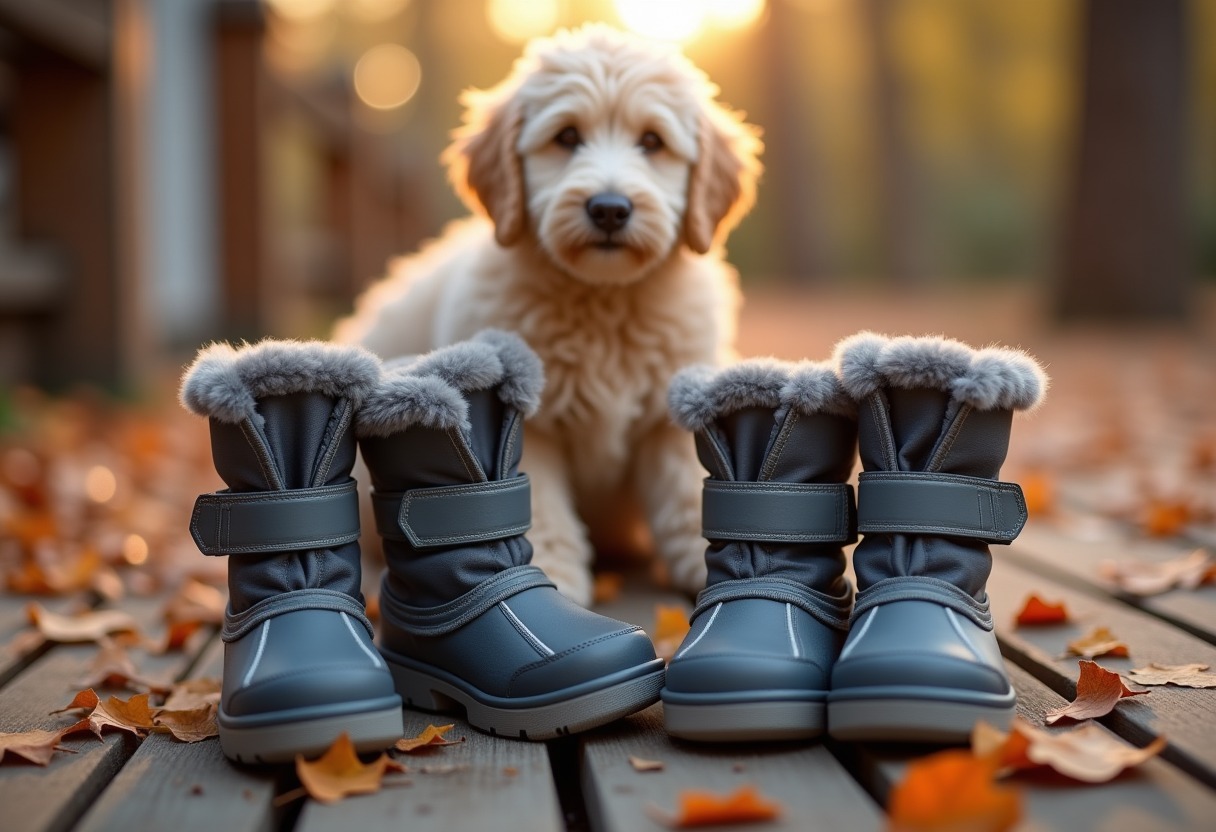
Your Labradoodle's paws take a beating from hot pavement, ice, salt, and rough terrain, but finding boots that protect without creating matted fur disasters around the ankles is no simple task. Standard dog boots often trap moisture against those dense curly coats, leading to painful mats that require professional grooming intervention within days.
Why Labradoodles Need Special Boot Considerations
Labradoodles present unique challenges for paw protection gear. Their double-coated, curly fur extends down their legs and often grows between their toes, creating natural insulation but also moisture-trapping zones. When standard neoprene or rubber boots sit against this coat type, they create the perfect environment for matting – especially around the ankle area where the boot cuff contacts the leg hair.
The American Kennel Club recommends paw protection for dogs exposed to extreme temperatures, salt, or rough surfaces. For Labradoodles, this protection must balance coverage with breathability to prevent coat damage that can cost hundreds in professional grooming repairs.
Most Labradoodle owners discover this the hard way – they buy cute boots online, use them for one snowy walk, and find their dog's leg hair transformed into tight, painful mats that pull at the skin. The solution isn't avoiding boots entirely but choosing designs that work with curly coats rather than against them.
Boot Construction That Works With Curly Coats
The key difference between boots that cause matting and boots that prevent it lies in three critical design elements: cuff material, interior lining, and closure system.
Fabric cuffs with soft, brushed interiors prevent hair from tangling around closure points. Look for boots with fleece or smooth polyester linings rather than rough nylon or bare neoprene. The interior surface should feel slick when you run your finger across it – if it catches or drags, it will grab and twist your dog's coat hair.
Closure systems matter enormously. Velcro creates the worst matting because the hook-and-loop surface catches individual hairs and twists them into knots. Drawstring closures with cord locks work better, but elastic bands provide the most coat-friendly option. The elastic should sit high enough on the leg to avoid the thickest hair growth but snug enough to prevent the boot from sliding off.
Boot height affects matting potential too. Ankle boots that sit just above the paw pad cause less coat disruption than mid-calf designs. However, shorter boots offer less protection from snow and debris, so match the height to your specific needs rather than defaulting to maximum coverage.
Material Comparison: What Works Best
| Material | Breathability | Waterproof | Durability | Coat Safety | Best For | |----------|---------------|------------|------------|-------------|----------| | Breathable mesh | Excellent | No | Low | Excellent | Summer, light protection | | Neoprene with fabric exterior | Good | Yes | High | Poor | Winter, but risky for coats | | Waterproof fabric | Good | Yes | Medium | Good | All-weather, best balance | | Rubber | Poor | Yes | High | Poor | Wet conditions only |
Breathable waterproof fabrics like ripstop nylon with DWR coating provide the best combination of protection and coat compatibility. These materials shed moisture from the outside while allowing internal air circulation that prevents the humid conditions where mats form.
Avoid boots with thick rubber soles unless you need maximum durability for rough terrain. Thin, flexible soles with good grip patterns work better for most Labradoodles because they don't change the dog's gait as dramatically, reducing the likelihood of boot rejection behavior.
Top Boot Recommendations by Use Case
For daily walks and light weather protection, fabric boots with elastic closures offer the best coat compatibility. → Shop breathable dog shoes on Amazon for options that prioritize comfort over heavy-duty protection.
Winter conditions require waterproof boots with insulation, but choose designs with smooth interior linings. → Shop winter dog boots on Amazon for cold weather protection that won't create matting issues.
Summer hot pavement protection calls for minimal coverage boots that focus solely on paw pad protection. → Shop summer dog booties on Amazon for breathable options that prevent overheating.
For dogs who refuse traditional boots, consider paw wax or spray-on protection as alternatives. These products provide chemical and temperature protection without any fabric contact with the coat. However, they offer no physical protection from cuts or punctures.
Heavy-duty hiking or hunting situations may require compromise – accept some matting risk in exchange for maximum paw protection. Plan for immediate post-adventure grooming to prevent minor tangles from becoming serious mats. Your Complete Labradoodle Grooming Guide covers techniques for safely removing boots and checking for coat issues.
Sizing and Fit for Labradoodle Paws
Proper boot sizing prevents both comfort issues and coat problems. Measure your dog's paw width and length while they're standing with full weight on the foot. Most owners measure when the dog is lying down, which gives inaccurate dimensions because the paw pad doesn't spread to its full weight-bearing size.
Labradoodles typically have wider paws than their height suggests due to their water retriever genetics. Standard sizing charts often underestimate the width needed, so when between sizes, choose the larger option for width accommodation. You can add grip strips inside a slightly large boot, but you cannot stretch a too-narrow boot without causing pressure points.
Boot fit should allow one finger width of space around the paw when the dog is standing. Tighter fits increase pressure on coat hair and create more friction that leads to matting. Looser fits allow movement that helps prevent hair from staying in one position long enough to tangle.
Check the fit after the first 10-minute wear period. Remove the boots and examine the leg hair for any compressed or twisted areas. Smooth down any hair that looks flattened and adjust the tightness if needed. This initial check prevents minor compression from developing into mats during longer wearing periods.
Prevention Strategies That Actually Work
Pre-boot grooming makes a significant difference in mat prevention. Brush the leg hair thoroughly before putting boots on, paying special attention to the ankle area where the boot cuff will sit. Use a slicker brush to remove any loose undercoat that could twist around inside the boot.
Apply a light coat conditioner or detangling spray to the leg hair before boot application. This creates a slippery surface that prevents hair from grabbing onto itself or the boot interior. Avoid heavy products that might make the hair sticky or attract dirt inside the boot.
Post-walk boot removal technique matters more than most owners realize. Remove boots slowly while supporting the leg, then immediately brush through the area where the boot cuff sat. This prevents any compressed hair from setting into tangles while you move on to other post-walk activities.
Consider trimming the hair around the ankle area if your dog wears boots regularly. A professional groomer can create a "boot line" that reduces matting risk without affecting the overall coat appearance. This approach works especially well for working dogs who wear boots frequently.
For dogs with extremely thick leg feathering, using Best Labradoodle Grooming Tools like thinning shears to reduce density around boot contact areas can prevent problems before they start.
Advanced Boot Management Techniques
Rotation systems prevent repetitive pressure on the same hair areas. Use two sets of boots and alternate daily, giving the compressed hair time to recover between wearing sessions. This technique works particularly well for dogs who need boots for multiple daily walks.
Climate conditioning your boots prevents sudden temperature changes that create condensation inside the boot. Store boots at room temperature and allow them to warm up before application in winter conditions. Cold boots against warm paws create immediate condensation that promotes matting.
Break-in periods help both dog and coat adjust to boot wearing. Start with 10-minute sessions around the house, gradually increasing duration over a week. This approach allows you to identify potential problem areas before they become serious mats.
Consider the timing of boot use in relation to your grooming schedule. Apply boots right after professional grooming when the coat is at its cleanest and most tangle-free condition. Avoid boot use in the weeks leading up to grooming appointments when the coat may already have minor tangles that boots could worsen.
Monitor for seasonal coat changes that affect boot compatibility. Labradoodles often grow thicker leg feathering in winter, which may require boot size adjustments or more frequent grooming around boot contact areas.
FAQ
How long can Labradoodles safely wear dog boots without developing mats?
Most Labradoodles can wear properly fitted boots for 2-3 hours before needing a break to prevent matting. This duration depends heavily on the interior boot material and your dog's coat density. Dogs with particularly thick or curly leg feathering may need breaks every hour, while those with trimmed legs can often go longer. Always remove boots after outdoor activities and brush the contact areas immediately rather than leaving them on for extended indoor periods.
Can I put dog boots over my Labradoodle's winter coat without causing problems?
Yes, but only with specific boot types and preparation techniques. Choose boots with smooth fabric linings rather than rubber or neoprene interiors, and apply a light detangling spray to the leg hair first. The boot cuff should sit above the thickest part of the leg feathering when possible. Consider having your groomer trim a "boot line" around the ankles if you plan regular winter boot use. Never force boots over thick, matted areas as this will worsen existing tangles.
What should I do if I find mats after removing my dog's boots?
Address mats immediately before they tighten further – waiting makes them exponentially harder to remove. For small, loose mats, use a detangling spray and work them apart with your fingers or a dematting comb. Larger or tighter mats require professional grooming intervention to prevent injury to your dog's skin. Apply the same Best Dog Shampoo Doodles Curly Coat techniques you'd use for regular grooming, but work more slowly and gently around recently matted areas.
Are there alternatives to traditional boots for Labradoodle paw protection?
Several alternatives provide paw protection without coat contact issues. Paw wax creates a protective barrier against salt, ice, and hot surfaces without any fabric touching the legs. Spray-on paw protectors offer similar chemical protection with easy application. For light protection needs, consider paw socks that cover just the foot pad area without extending up the leg. However, none of these alternatives provide the physical protection against cuts and punctures that full boots offer.
How do I know if dog boots are causing coat damage before it becomes serious matting?
Check for early warning signs during and after each boot use: compressed or flattened hair around the boot cuff area, hair that feels sticky or tangled when you run your fingers through it, or any areas where the hair seems twisted together. Your dog may also show behavioral signs like excessive licking or chewing at the leg hair after boot removal. If you notice any of these signs, take a break from boots for several days and focus on thorough brushing to prevent progression to actual mats.
Smart boot selection and management keeps your Labradoodle's paws protected while preserving that beautiful coat you work so hard to maintain.
Some links on this page are affiliate links. We may earn a small commission if you purchase through them, at no extra cost to you.
As an Amazon Associate we earn from qualifying purchases. This article contains affiliate links; if you buy through them we may earn a small commission at no additional cost to you.